

The Invisible Observer in Virtual Reality
Virtual reality promises a digital escape—a fully immersive world where the boundaries of reality blur. But behind the thrilling visuals and interactive experiences lies a quiet, often overlooked risk: your personal data. Modern VR headsets aren’t just capturing what you see and do; they’re beginning to read how you feel, where you focus, and even your most intimate physiological responses. Eye tracking, heart rate sensors, and other biometric tools offer developers richer experiences, but they also open a Pandora’s box of privacy concerns. Every blink, glance, and micro-expression becomes a data point—a fingerprint of your virtual behavior, stored somewhere, potentially analyzed, and sometimes monetized.
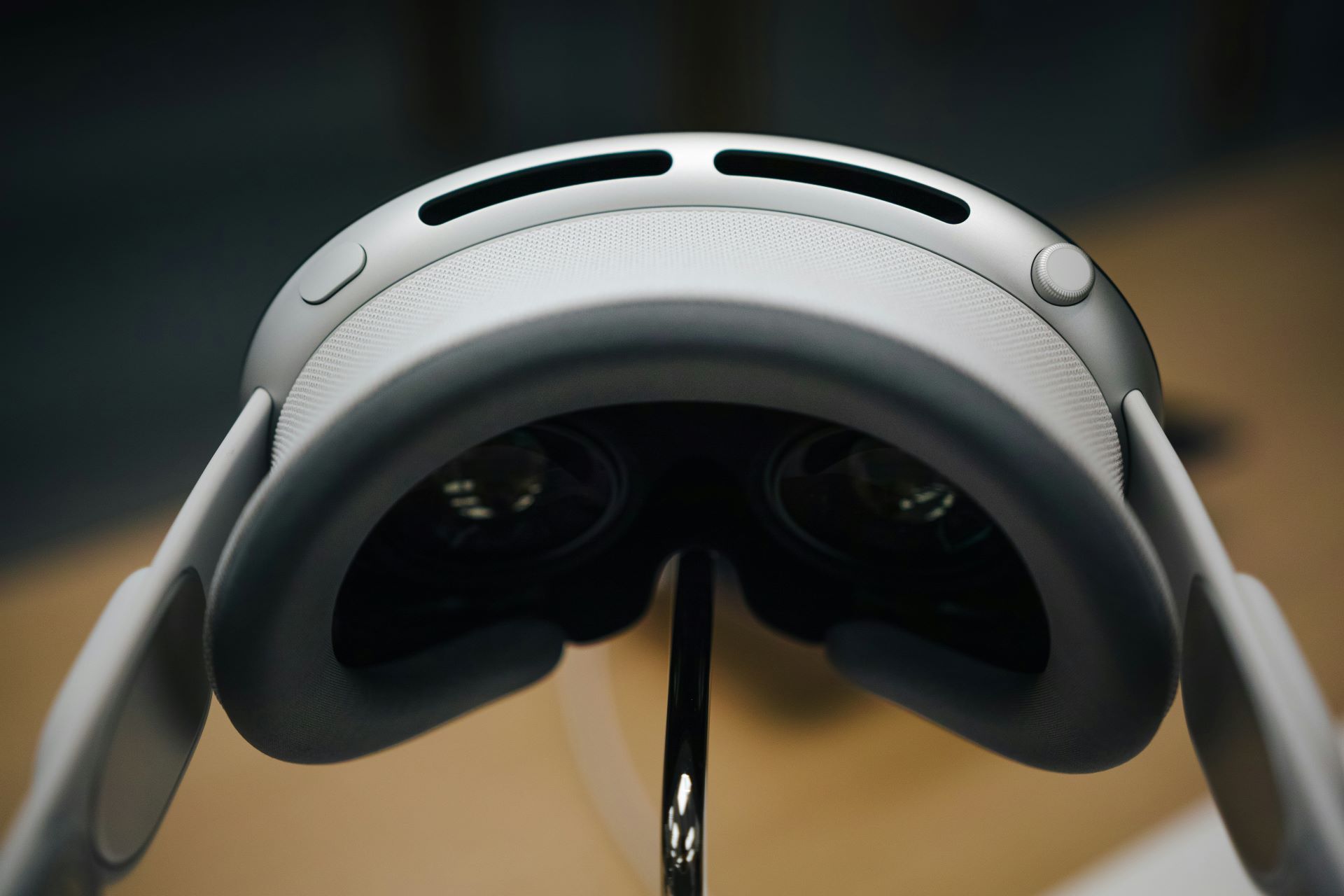
The Rise of Eye Tracking and Biometric Sensors
Eye tracking in VR allows devices to map precisely where users are looking, enabling features like foveated rendering, attention-based gameplay, and adaptive interfaces. Biometric sensors go even further, measuring heart rate, galvanic skin response, and pupil dilation to gauge emotional reactions. These technologies enhance realism and responsiveness but also generate highly sensitive personal data. Unlike standard browsing or app usage metrics, biometric and gaze data can reveal subconscious preferences, stress levels, and even mental health indicators.
The danger lies not in the technology itself, but in how data is collected, stored, and potentially shared. Users often consent to data collection without fully understanding the depth of information captured. VR companies may claim anonymization, but recent studies show that patterns in biometric and gaze data can re-identify individuals with alarming accuracy.
Data Collection and Its Hidden Layers
Unlike traditional platforms, VR operates at the intersection of spatial, behavioral, and physiological data. This convergence creates a multi-dimensional profile of the user:
- Eye tracking reveals attention patterns, interest areas, and emotional engagement.
- Motion tracking records gestures, posture, and even micro-movements.
- Biometric sensors capture stress levels, emotional responses, and subtle physiological cues.
When aggregated, this data can create a detailed psychological map of a person, far beyond what conventional analytics could reveal. Third-party developers or advertisers could theoretically use these insights to influence decision-making, target content, or even manipulate emotions. This raises profound ethical questions: should VR developers have the right to this level of access? And what safeguards are currently in place to protect users?
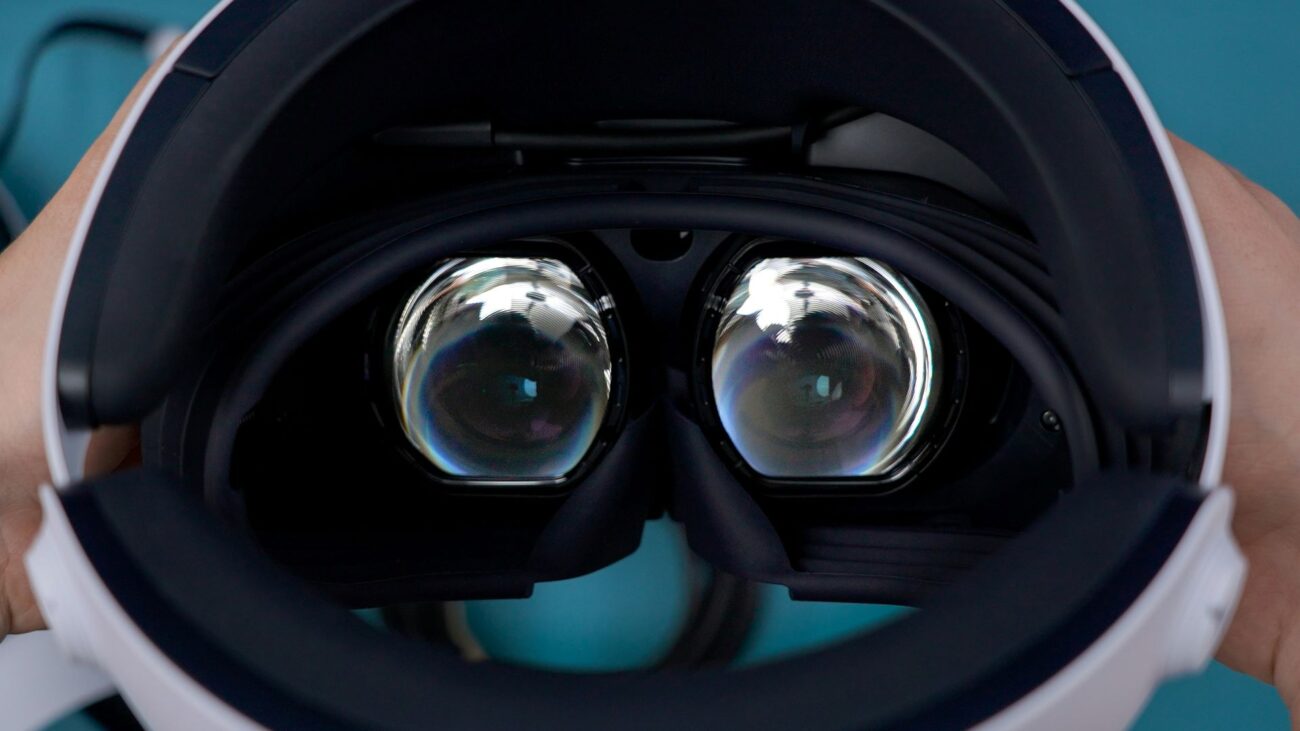
The Privacy Implications of Behavioral Profiling
Behavioral profiling in VR is not hypothetical. Companies can analyze gaze and physiological responses to determine what excites, stresses, or interests users. In a gaming context, this could fine-tune difficulty or adjust narrative elements. In commerce, it could tailor ads or suggest products in ways that traditional marketing could never achieve. While personalization seems beneficial, it carries a darker side: manipulation and exploitation. Subtle cues extracted from VR experiences could be used to nudge users toward purchases, political content, or other decisions without their conscious awareness.
The stakes rise further when considering sensitive populations, such as children or individuals in therapeutic VR applications. Eye tracking and biometric monitoring in these contexts could expose vulnerabilities that extend far beyond entertainment. Privacy breaches here are not merely inconvenient—they could have tangible, lasting consequences.
Regulatory Gaps and Industry Practices
Current regulations, such as GDPR in Europe and POPIA in South Africa, offer some protection for personal data, but VR introduces new complexities. Eye tracking and biometric data often fall into gray areas not explicitly covered by existing laws. Consent forms may be opaque, and users rarely have the technical literacy to understand what they are agreeing to. Furthermore, cross-border data storage and cloud-based analytics create situations where local protections may not apply.
Industry practices vary widely. Some companies adopt strict data minimization policies, encrypting or anonymizing sensitive metrics. Others prioritize data retention for research, marketing, or resale, leaving users exposed. Transparency remains a critical challenge, as even informed users cannot easily track how their VR data flows between developers, cloud platforms, and third-party partners.
Mitigation Strategies: Protecting Your Virtual Self
Despite these risks, users can take steps to protect their privacy in VR. Limiting device permissions, avoiding platforms that aggressively monetize biometric data, and using local data processing where possible are practical measures. Advocating for stronger privacy standards and supporting developers who prioritize ethical practices also helps shape the industry. As VR technology evolves, collective awareness and action will determine whether immersive experiences remain empowering or become tools of surveillance.
Developers, too, must consider ethical design. Techniques like edge computing, where data processing occurs locally rather than on centralized servers, can reduce exposure. Anonymization, minimal data collection, and clear opt-in policies for sensitive features are essential. If VR aims to become as ubiquitous as smartphones, it must balance innovation with responsibility, ensuring users feel safe in both physical and virtual worlds.

The Unseen Cost of Immersion
Virtual reality opens doors to experiences once confined to imagination. Yet, every technological leap carries trade-offs. The collection of eye tracking and biometric data enhances immersion and personalization but also exposes users to unprecedented privacy risks. Awareness, regulation, and ethical design are not optional—they are vital to safeguarding the digital self. As we venture deeper into virtual worlds, understanding what we give away and how it can be used is crucial. Protecting privacy in VR is no longer a technical issue alone; it is a societal imperative.